UW–Madison researchers launch Badger Caregiving Clinic pilot to help address caregiving crisis
By Laurel White
A new pilot program led by University of Wisconsin–Madison researchers aims to improve training for caregivers and the healthcare providers who support them.
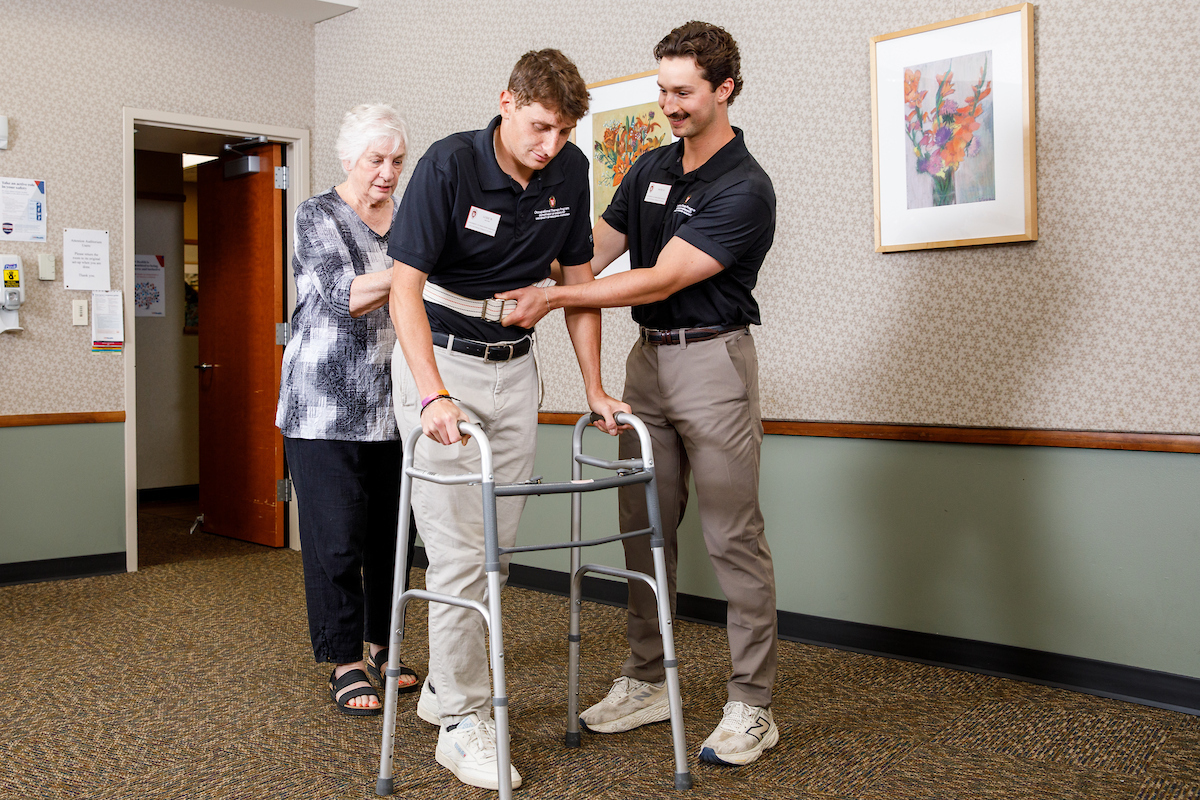
The Badger Caregiving Clinic pilot will bring together UW–Madison students, faculty, and staff from several healthcare disciplines to provide much-needed hands-on, proactive support to caregivers. According to the National Alliance for Caregiving, more than 1 million people in Wisconsin provide unpaid care to a family member or friend. Research has shown many caregivers are not getting the support they need to succeed, leading to individual burnout and poor health outcomes for patients and caregivers.
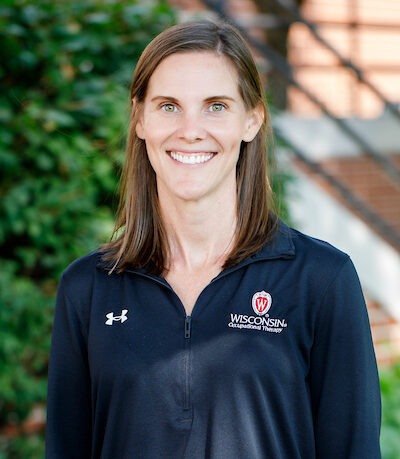
“We believe caregivers are the backbone of our healthcare system, and too often they are invisible,” says Beth Fields, clinic co-director and associate professor of occupational therapy at the No. 1-ranked UW–Madison School of Education. “We are working to build a future in which caregivers are seen and empowered to promote the health of their family and friends — and themselves.”
The Badger Caregiving Clinic pilot, embedded directly within the UW Health E Terrace Drive Medical Center, will serve interested patients who already receive care at that facility’s Geriatrics Clinic. The Badger Caregiving Clinic is only available to current Geriatrics Clinic patients at that location and is not open to non-UW Health patients or patients seen at other UW Health locations. Clinic services, provided at no cost to the caregiver, will include:
- Tailored education on caregiving best practices
- Caregiving plans that draw on expertise across health and social care disciplines
- Emotional and social support resources
- Take-home resources to help caregivers obtain needed respite and to support patient safety, including equipment such as grab bars and shower chairs
UW–Madison graduate and health professions students will provide services at the clinic with support and guidance from UW–Madison faculty and staff. Participating disciplines include nutritional dietetics, nursing, occupational therapy, physical therapy, and rehabilitation psychology.
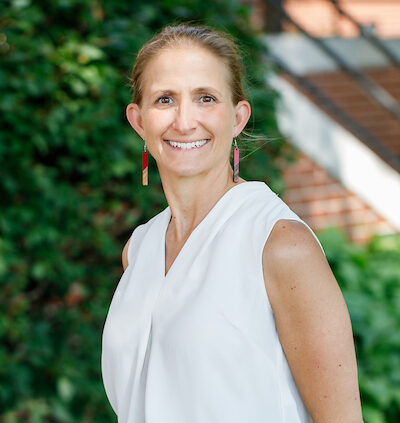
“Our goal is to provide proactive support and resources to help caregivers before they burn out or experience a crisis,” says Jennifer Timm, clinic co-director, director of the UW–Madison Center for Interprofessional Practice and Education, and clinical associate professor in the UW–Madison School of Nursing. “I’m excited we have a real opportunity to improve clinical education for future and current health professionals in the area of caregiving and to strengthen the workforce — the Wisconsin Idea in action.”
Support for the Badger Caregiving Clinic includes funds from the Igniting Interdisciplinary Innovation (I³) award from the UW–Madison Office of the Vice Chancellor for Research. The pilot program will evaluate caregiver and student outcomes as well as operational feasibility. Ultimately, researchers hope to create a sustainable, scalable model of caregiving clinics that can be expanded across primary care settings statewide.
For more information about the Badger Caregiving Clinic, including available services and resources, please visit caregiving.wisc.edu or email the team at caregivingclinic@education.wisc.edu.