Research on low-income student success featured in higher education media
By Amellia Fowler
Research by UW–Madison’s Taylor Odle and Sky Duke on low-income student success in higher education was recently spotlighted in Inside Higher Ed and TheEduLedger.
The articles highlight findings from “High Performing Pell Institutions: Identifying and Exploring Colleges and Universities with High Low-Income Student Success,” a study co-authored by Odle, Duke, and Elizabeth Dunens, which was recently published in AERA Open.
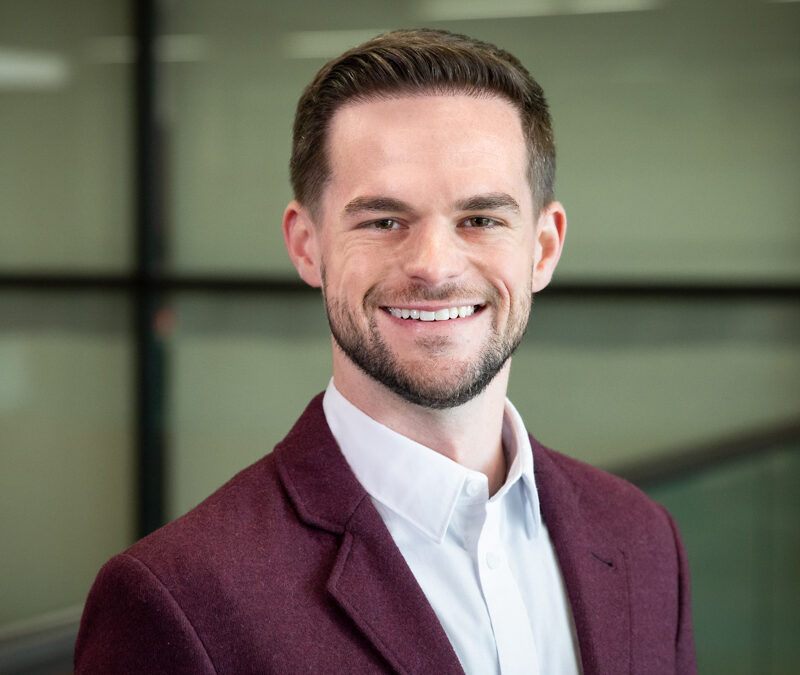
Odle, an assistant professor in the School of Education’s Department of Educational Policy Studies (EPS), and Duke, a doctoral candidate in EPS, discussed their research in Inside Higher Ed’s article, “What Sets High-Performing Pell Colleges Apart?”
“What we want to do is show that there is data out there that complicates some of the stories that we’ve always had in our minds, but that data can be used to make very high-stakes decisions in support of these lower-income students,” Odle told Inside Higher Ed.
Odle notes that higher education policy has often placed significant weight on expanding college access; however, increasing enrollment among lower-income students doesn’t always translate into higher completion rates.

“It’s not necessarily an issue with the students… but simply that, given an appropriate environment that can uplift them and support them through completion,” Duke told Inside Higher Ed, noting that those supportive environments can help create pathways to economic mobility after graduation.
In TheEduLedger article, “Identifying Colleges and Universities with Low-Income Student Success,” Odle highlighted the wide range of institutions that are effectively supporting low-income students.
“We’re challenging this notion that only places with tons of money can really provide the student supports and resources that are necessary to make sure that low-income students are enrolling at equal rates, are graduating at equal rates, and are doing well in the labor market after they graduate,” he said. “We’re identifying very well resourced institutions and much less resourced institutions, public and private, urban and rural.”
Read the full articles in Inside Higher Ed and TheEduLedger.