School of Education welcomes 6 new faculty members to campus
A new cohort of six exceptional tenure or tenure-track faculty members is joining the UW–Madison School of Education in 2026-27.
This year, three School of Education departments will welcome at least one new faculty member. Five new faculty members will begin teaching during the fall semester and one will start in spring 2027.
To welcome these new members of our community — and to reconnect with colleagues and celebrate the start of the new school year — the School is hosting its annual Welcome Back Bash event for faculty and staff on Friday, Aug. 28. Those attending will hear brief remarks from School of Education Dean Marcelle Haddix.
Following are the incoming faculty members, in alphabetical order:
Forrest Bruce, assistant professor, Department of Educational Policy Studies (starting spring 2027)
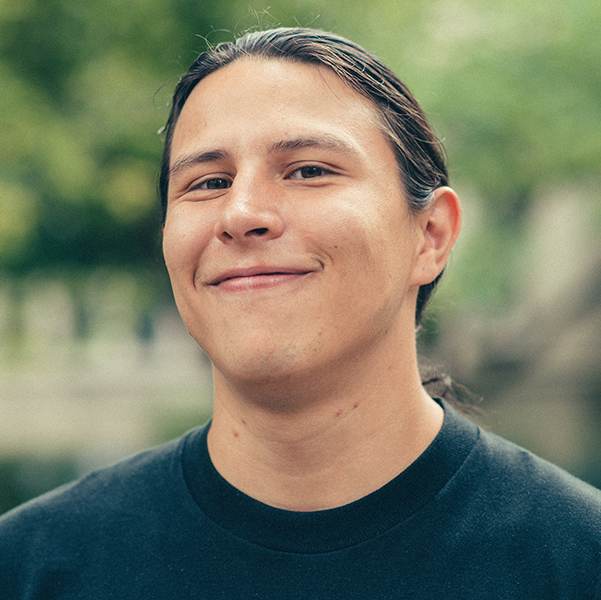
Bruce (Ojibwe) is a community-engaged scholar whose work explores socio-ecological learning and advances land-based education through the design of learning environments that support Indigenous ways of knowing and being. He earned both a bachelor’s degree in social policy and a PhD in learning sciences from Northwestern University, where he played a key role in the ISTEAM (Indigenous Sciences, Technologies, Engineering, Arts, and Mathematics) research project, a multi-site initiative that partners closely with Indigenous families and communities. Through this work, Bruce collaborated with Chicago’s urban Indigenous community to co-design, implement, and study land-based learning environments. He also supported partnerships with the Little Traverse Bay Bands of Odawa Indians and the Tulalip Tribes of Washington.
Allison Fleming, professor, Department of Rehabilitation Psychology and Special Education
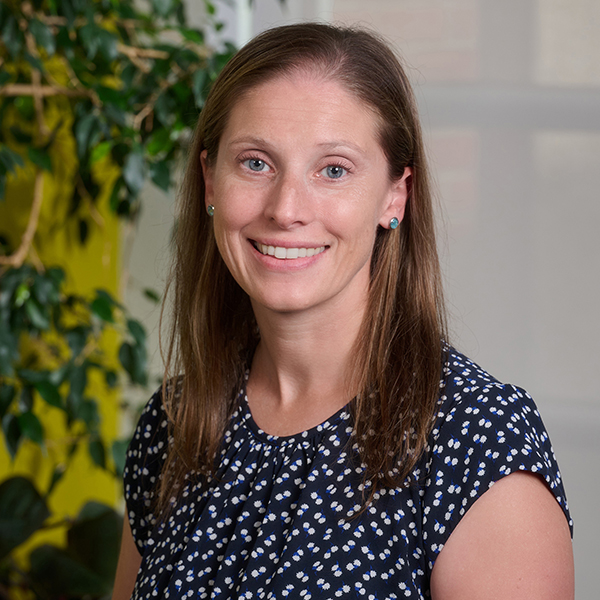
Fleming comes to UW–Madison from The Pennsylvania State University (Penn State), where she was an associate professor in the Department of Educational Psychology, Counseling, and Special Education. At Penn State, she served as co-director of WorkLink, a postsecondary certificate program for individuals with intellectual disabilities. She was principal investigator or co-investigator on multiple grants and projects focused on rehabilitation counselor training and evaluating the impact of pre-employment transition services within state vocational rehabilitation agencies. Her research focuses on employment and well-being among individuals with disabilities across the lifespan, with an emphasis on social and behavioral determinants of health. Fleming earned bachelor’s and master’s degrees from Springfield College and a PhD from Michigan State University. Fleming was hired as part of the campus RISE-THRIVE initiative.
Jonathan Hakun, associate professor, Department of Kinesiology
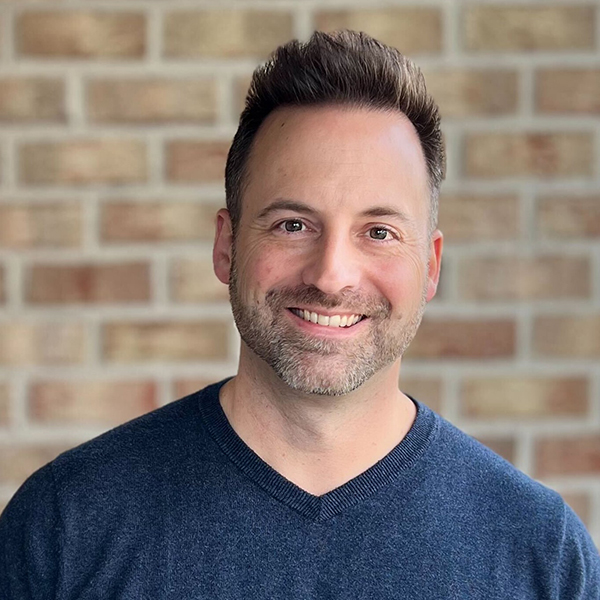
Hakun comes to UW–Madison from Penn State, where he was an associate professor of neurology, psychology, & public health sciences, and directed the Cognitive and Mobile Phenotyping (CAMP) Neurolaboratory. His research focuses on cognitive and brain health across the adult lifespan, particularly how our ability to control our thoughts and behavior may influence healthy aging. Hakun combines brain imaging with innovative mobile technologies, including high-frequency mobile cognitive assessments, wearable devices, and other tools that capture cognition and behavior in everyday life. He also studies how these approaches can be used as digital markers of cognitive and brain health in populations at risk for Alzheimer’s disease and related dementias and other clinical conditions. Hakun earned his PhD from Michigan State University and completed postdoctoral training at the University of Kentucky. Hakun was hired as part of the campus RISE-THRIVE initiative.
Nathaniel Jenkins, associate professor, Department of Kinesiology
Jenkins comes to UW–Madison from the University of Iowa, where he was a tenured associate professor in Health and Human Physiology and Psychological and Brain Sciences. He earned his PhD in Exercise Physiology and Nutrition from the University of Nebraska–Lincoln. At UW–Madison, he directs the Vascular Stress Physiology and Resilience Lab, studying how early life adversity, including adverse childhood experiences, contributes to cardiovascular and metabolic disease and testing interventions to reduce those risks. He also studies how resistance exercise can lower blood pressure and improve vascular and metabolic health across adulthood. Jenkins is a Fellow of the American Heart Association, an active member of the American Physiological Society, and a standing member of the NIH’s Biological Processes and Social-Ecological Factors study section. Jenkins was hired as part of the campus RISE-THRIVE initiative.
Tim Marks, assistant professor, Department of Kinesiology
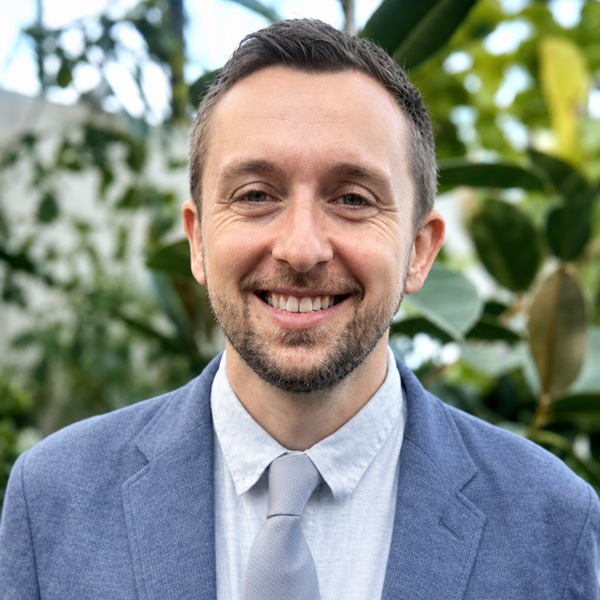
Marks returns to UW–Madison after completing a postdoctoral fellowship at the University of Missouri in the Department of Occupational Therapy. He is a 2023 graduate of UW–Madison’s doctoral program in the Department of Kinesiology. His research focuses on understanding and improving functional cognition and everyday function, with an emphasis on ecologically valid assessment and cognitive strategy interventions. He is a mentee on the American Occupational Therapy Foundation’s 2026 Dr. Carolyn Baum Cognitive Function in Daily Life Mentor Award, which supports his research on cognitive strategy training delivered via telehealth to improve everyday functioning for adults with subjective cognitive decline.
Ross Miller, associate professor, Department of Kinesiology
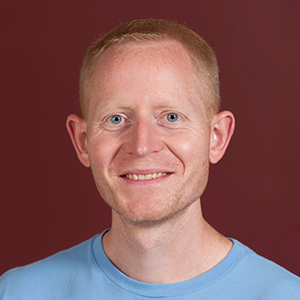
Miller joins UW–Madison from the University of Maryland, where he served as a faculty member in the school’s Department of Kinesiology since 2013. In addition to his associate professorship, Miller also served as the department’s associate chair for academics. He received his doctoral degree in kinesiology from the University of Massachusetts Amherst. Miller’s research focuses on the mechanics and energetics of human locomotion in health and pathology, with an emphasis on causes and prevention of knee osteoarthritis and maintaining mobility across the lifespan in older adults, athletes, and individuals who use prosthetic limbs. He is an OpenSim Fellow for the National Center for Simulation in Rehabilitation Research and a fellow of the American College of Sports Medicine. Miller was hired as part of the campus RISE-THRIVE initiative.