From AI in the classroom to student mental health, UW–Madison education experts can share back-to-school insights
As students, educators, and families prepare for the start of a new school year, experts from the University of Wisconsin–Madison School of Education are available to share insights on some of the most pressing issues facing schools today. Their expertise spans topics including artificial intelligence in education, student mental health, teacher shortages, civic learning, college access, and supporting multilingual learners.
Shamya Karumbaiah: Artificial intelligence in teaching and learning
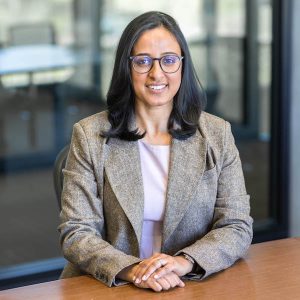
Artificial intelligence is rapidly changing the way students learn and educators teach. Shamya Karumbaiah, an assistant professor in the Department of Educational Psychology, studies how AI technologies can support teaching and learning while promoting equity and responsible use. She can discuss AI literacy, multilingual learning, the opportunities and challenges of generative AI, and what educators and families should know as these tools become increasingly common in schools.
Contact: shamya.karumbaiah@wisc.edu
–
Katie Eklund: Student mental health and well-being
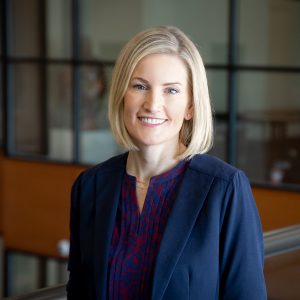
As schools continue to prioritize student well-being, Katie Eklund, a professor in the Department of Educational Psychology and licensed psychologist, studies school mental health systems and practices that support students’ academic, social, and emotional success. Her work focuses on identifying and addressing mental health concerns in school settings and helping educators create supportive learning environments. She can discuss children’s mental health, school-based supports, school safety, and strategies that help students thrive both inside and outside the classroom.
Contact: katie.eklund@wisc.edu
Tom Owenby: Teacher shortages and teacher preparation
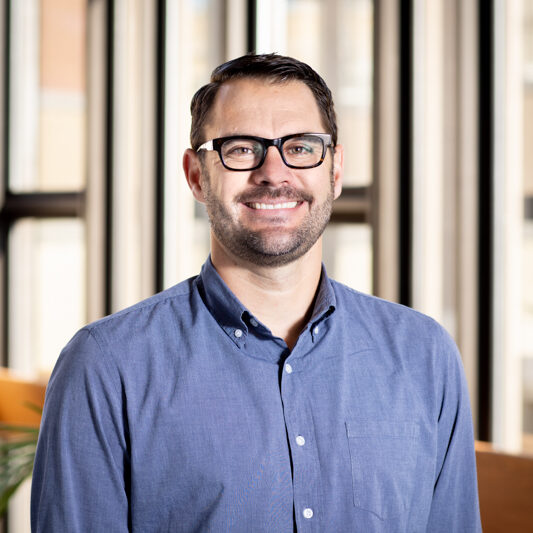
Teacher recruitment and retention remain key challenges for school districts across Wisconsin and the nation. Tom Owenby, director of the Mary T. Kellner Teacher Education Center at the University of Wisconsin–Madison School of Education, works closely with aspiring educators as they prepare to enter the profession. He can provide insight into teacher workforce trends, educator preparation, and initiatives that help address teacher shortages across the state.
Contact: owenby@wisc.edu
–
Jeremy Stoddard: Civics education and media literacy
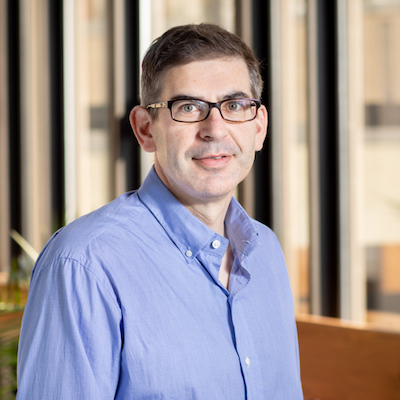
As schools navigate political polarization and a rapidly evolving media landscape, educators face new challenges in helping students become informed and engaged citizens. Jeremy Stoddard, a professor in the Department of Curriculum and Instruction, studies civic education, media literacy, and how educators teach about controversial and contemporary issues. He can discuss teaching current events, media literacy, educators’ experiences teaching about recent elections, how 9/11 is taught in today’s classrooms, and the role schools play in preparing students for civic participation.
Contact: jdstoddard@wisc.edu
Taylor Odle: College access, affordability, and student success
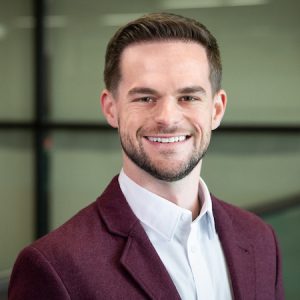
As students prepare for college and families navigate questions about affordability, financial aid, and educational opportunities, Taylor Odle, an assistant professor in the Department of Educational Policy Studies, studies how policies and programs influence students’ access to and success in higher education. He can discuss college affordability, advising, financial aid, and strategies that support student success after high school.
Contact: todle@wisc.edu
–
–
Mariana Castro: Supporting multilingual learners
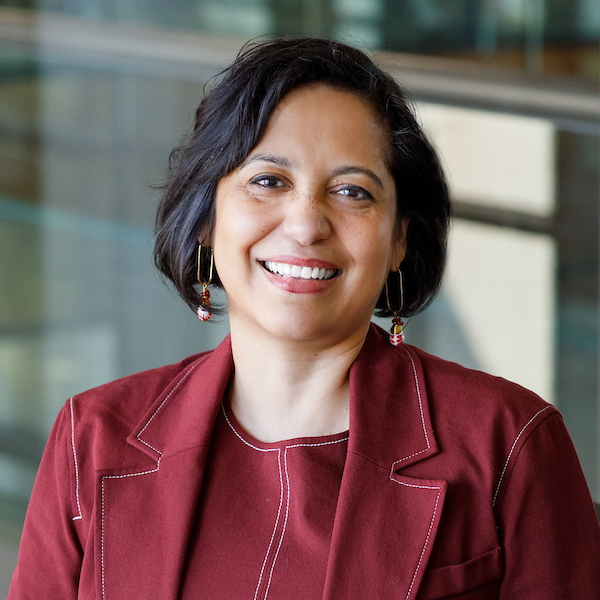
As multilingual learners make up a growing share of classrooms across Wisconsin and the nation, educators are seeking new ways to support students who are learning academic content and language simultaneously. Mariana Castro, interim director of the Wisconsin Center for Education Research and co-director of the Multilingual Learning Research Center, recently helped develop a framework designed to strengthen instruction for multilingual learners across grade levels and subject areas. She can discuss effective strategies for supporting multilingual students, language development across content areas, and preparing teachers for linguistically diverse classrooms.
Contact: mcastro@wisc.edu
Have another education-related story in mind? The School of Education is home to experts in a wide range of areas, from literacy and learning sciences to education policy and teacher preparation. Members of the media are encouraged to contact Laurel White, the School of Education’s communications associate director, at laurel.white@wisc.edu with any additional questions or interview requests.