By Maggie Ginsberg, Division of the Arts
They come for the lakes, and those starburst chairs coloring the Terrace at Memorial Union in John Deere green, Allis Chalmers orange, and sunshine yellow. They come to participate in the Wisconsin Idea, drawing on a rich legacy of research, innovation, and collaboration to build a brighter future for all. They come for more than a dozen academic arts majors — and, regardless of major, they come for the plays, exhibitions, performances, readings, concerts, slams, films, residencies, open mics, studios, workshops, student clubs, more than 30 on-campus galleries, and the Chazen Museum of Art, the largest collecting museum within the Big Ten conference. We asked five members of the campus arts community what drew them to UW–Madison, and what excites them now that they’re here.
Corey Pompey, UW Marching Band, Mead Witter School of Music
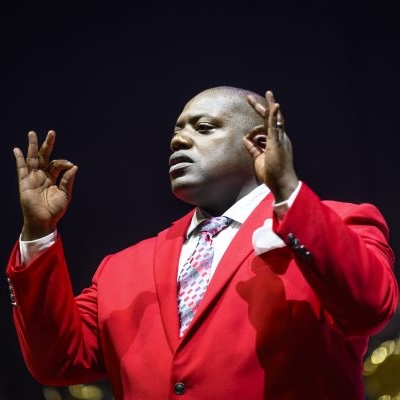
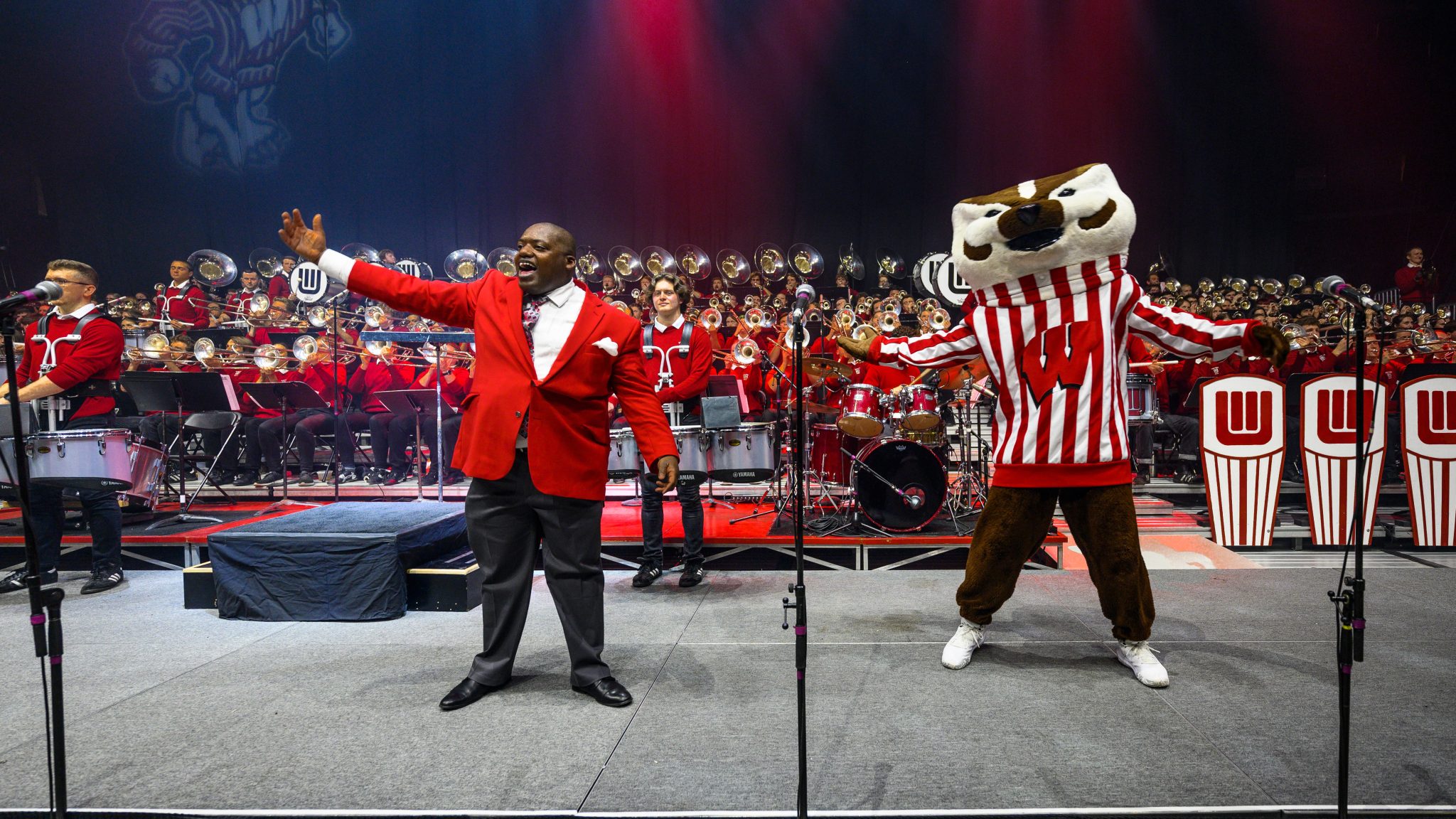
It may have been the exceedingly rare opportunity to lead the legendary University of Wisconsin Marching Band that brought Corey Pompey to Madison, but he’s embraced numerous other roles including associate director of bands, Concert Band conductor, and instructor to aspiring music education majors. “I wear a few hats, so there is always something happening,” says Pompey, who’s looking forward to celebrating the Mead Witter School of Music’s 130th anniversary all year — particularly with the Panorama Concert, three Concert Band performances, and the 50th Spring Varsity Band Concert. “I don’t think most people realize the breadth of arts offerings here,” Pompey says, noting that more than half of Mead Witter students are double majors, enhancing their studies with a variety of arts and non-arts opportunities. “They are deeply engaged with the world and strive to make art that contributes to the betterment of society. There is truly a place for anyone who wants to engage meaningfully with the arts.”
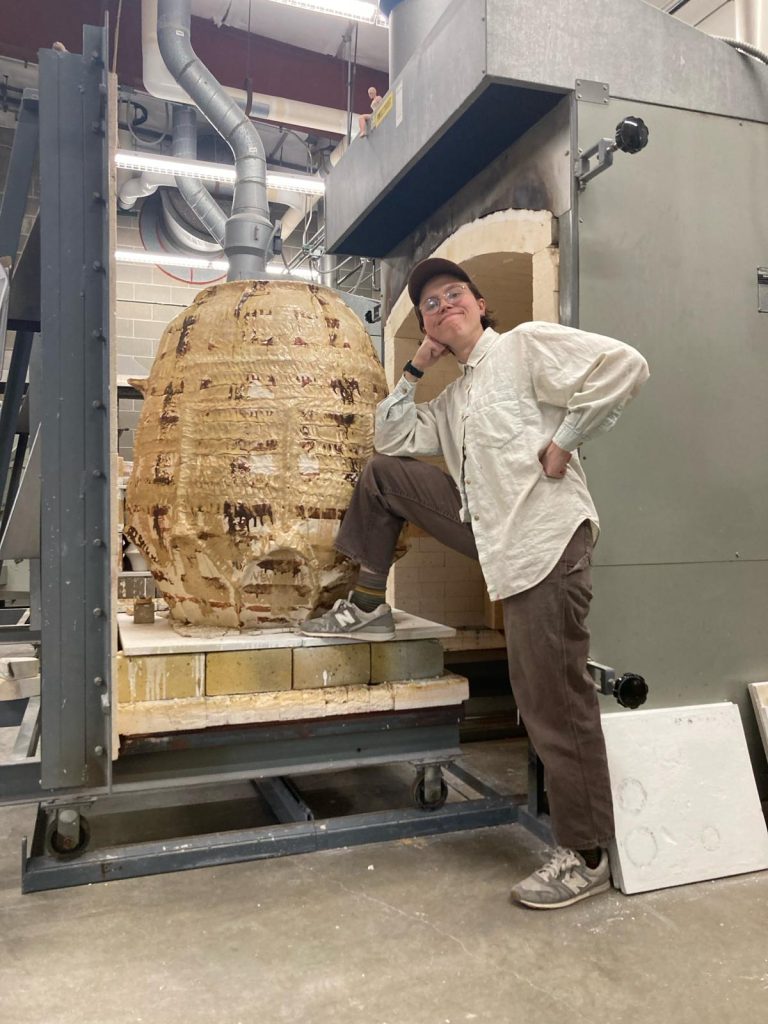
Able Broyles, Student, Third Year MFA in Ceramics
Georgia native and clay artist Able Broyles chose UW–Madison because of a key professor — Christina West, “an artist and individual I had admired for many years,” Broyles says. They were also keen to take advantage of the rare opportunity to work with neon (UW–Madison is one of only a handful of schools in the U.S. that has a full service facility for creating neon art), the arts funding and exhibition spaces they didn’t find at other universities, and the culture of collaboration across disciplines and schools. “I love having non-art majors in my classes,” Broyles says, “and finding connections and commonality across our separate research.” Broyles is most looking forward to the Visiting Artist Colloquium lecture series, in particular artist Stephanie Syjuco. “With the rise of AI, I think many of us are craving the tangible and returning to craft,” Broyles says. “Plus the skills you exercise in studio classes, from creative problem solving to material knowledge, can be carried through your studies across the university.”
Micha Espinosa, Professor, Department of Theatre and Drama
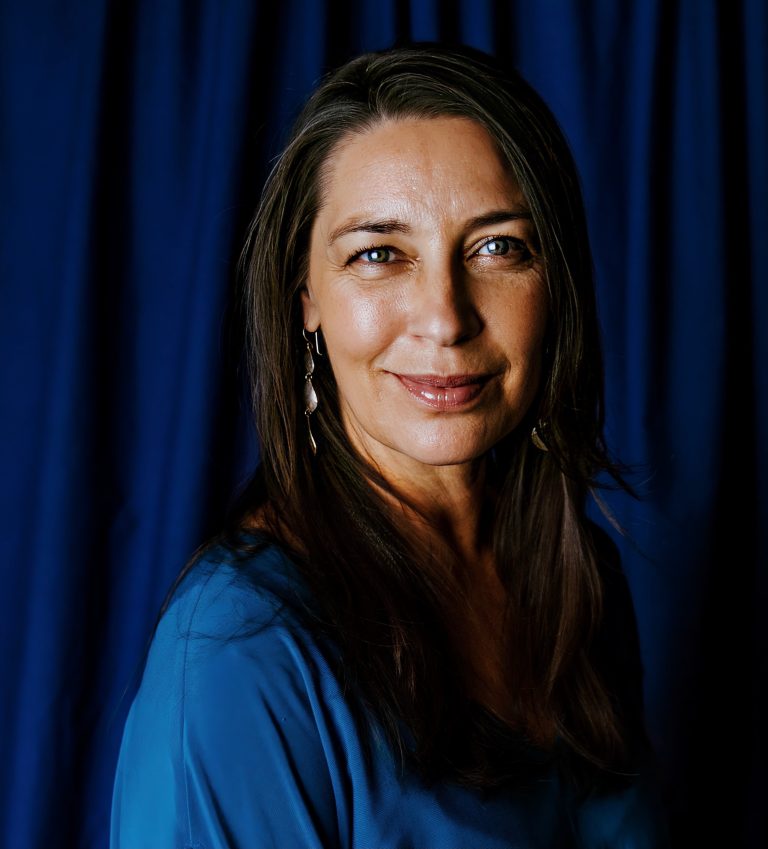
Internationally recognized artist, educator, director, and producer Micha Espinosa chose UW–Madison because of the Wisconsin Idea and the highly ranked School of Education, “where teaching, research, and public engagement are genuinely intertwined,” Espinosa says. The Department of Theatre and Drama professor is already collaborating with the Dance Department and the Nelson Institute for Environmental Studies to produce the new Climate Change Theatre Action play series. She is also directing The Compass, an audience-interactive performance exploring technology, ethics, and personal responsibility, with a different ending each show. “UW–Madison allows me to direct work that is deeply connected to community, research, and public life,” says Espinosa, adding that today’s students are eager to engage with urgent issues and foster change. “There is a remarkable amount of student-led work happening here. It’s a very active and generative creative environment, and the skills they are developing translate everywhere.”
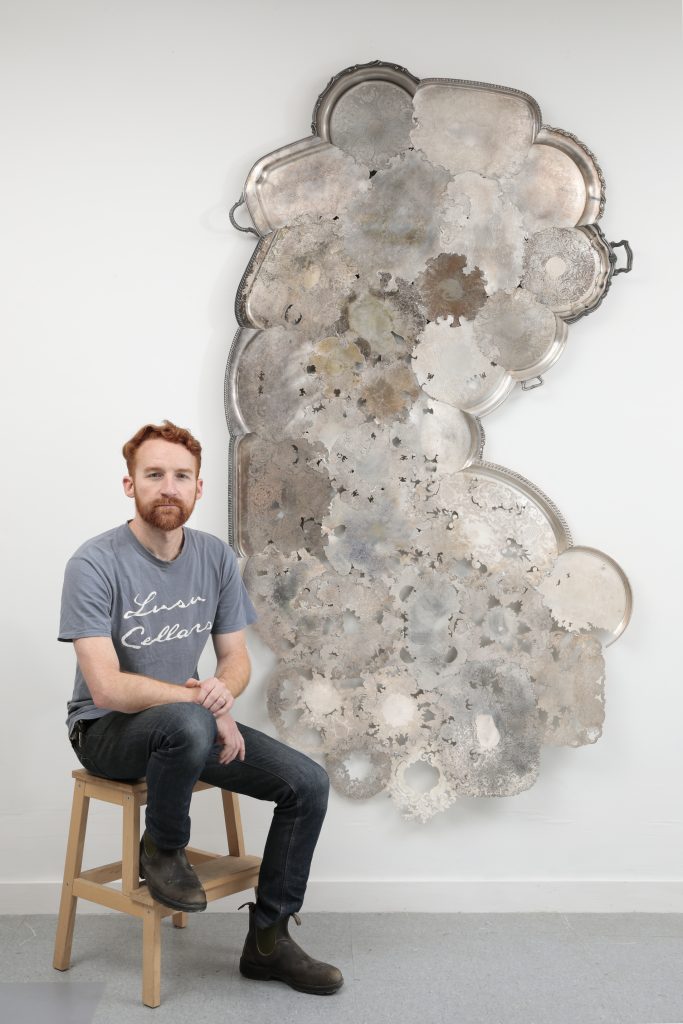
Jaydan Moore, Assistant Professor, Art Department
Thirteen years after earning his MFA and MA at UW–Madison, Jaydan Moore — who hails from four generations of California tombstone makers — returned to the UW Art Department as an assistant professor running the Metal Arts program. He brings with him vast experience in traditional pewter- and tin-smithing, exciting evolutions in technology CNC and 3D printing, and ongoing research into large scale raising and forming — work he’s exhibiting in Santa Fe this spring.
“My hope is that I can offer students a wide range of exploration in the metal arts,” says Moore, who joins a well-rounded department. “Our faculty are some of the best artists in their field, and working alongside them is a great honor.” Just as he did himself, Moore knows UW Art Department students and non-arts-majors alike go on to complex and enriching careers. “Everyone benefits from creative thinking and problem-solving,” Moore says. “Art courses teach how to look at problems and assignments through a creative lens.”
Peggy Choy, Professor, Dance Department
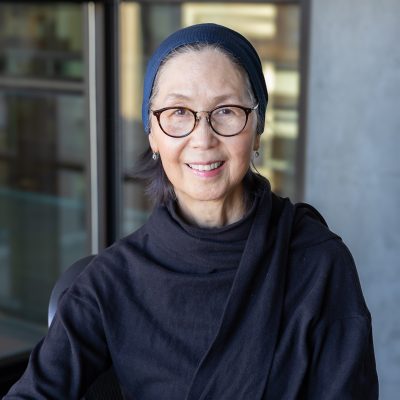
When Peggy Choy first came to Madison in 1982, it was to complete an MS in Urban and Regional Planning. In 2016, with an MFA in Dance and Choreography from UW–Milwaukee under her belt, she returned to join the UW–Madison faculty as a professor of Dance and Asian American Studies. “I have had the privilege of collaborating with innovative faculty across diverse fields, such as the biological, neurological sciences, and environmental studies,” Choy says. “I have had the honor of working with innovative thinkers across the state — including dedicated perma-culturalists and Native Nations educators.” Choy says she’s excited to continue her dance and music collaborations with artists here in Madison, as well as in Brazil and in New York. Her Afro Asian dance and music performance, “SEEDS,” will premier in New York in March 2026, and her screendance, “Dreams of the Abandoned Daughter,” will premier in Madison in April 2026. “Today, art students and faculty alike are learning to navigate the perilous times in which we find ourselves, with dwindling support,” Choy says. “I remain convinced that the performing arts can nurture the spirit, mind and body, and can ignite our campus community to build stronger bridges beyond its borders.”