The UW–Madison School of Education offers academic excellence in areas spanning the arts, health, and education. We are a proud community of innovative leaders, creative thinkers, and fearless trailblazers. Our talented students are committed to making their college experience a meaningful journey that aligns with their interests and helps them achieve their future goals.
Following is a Q&A with Kari Arnett, who is pursuing a bachelor’s degree in Health Promotion and Health Equity (HPHE) with a certificate in Disability Rights and Services and graduating in spring 2026.
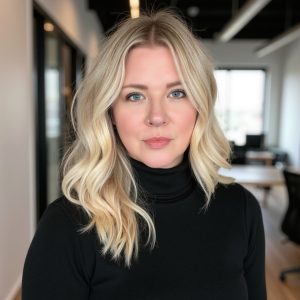
Where are you from and how did you become interested in pursuing a degree in this field? I’m originally from Wisconsin, with chapters of my life spent in Minneapolis, Minnesota, and Nashville, Tennessee. During the pandemic, I made a major shift returning to school to pursue health promotion and wellness. Along the way, I became a disability and chronic illness advocate, a role that holds deep and personal meaning because of my own lived experiences. I’m driven by a commitment to addressing systemic inequalities and biases, knowing how profoundly they shape health disparities and outcomes. My goal is to support work that empowers individuals to reach their fullest quality‑of‑life potential.
How did you decide that you wanted to become a UW–Madison Badger? UW–Madison offers the academic challenge I was looking for, but just as importantly, it’s a place where learning is tied to the community. I wanted an environment where I could challenge myself in my courses and use what I’m learning to contribute to something meaningful, whether that’s through campus organizations, community involvement and service projects, or collaborating with people who care about making a difference. UW–Madison felt like the right place to grow both intellectually and as a community‑minded person.
What has been your most meaningful experience with the Health Promotion and Health Equity program? I think what has been most meaningful within the HPHE program is the chance to learn from people in the field. The professors, TAs, and faculty have real-world experience they bring into the courses. This helps us as students become more engaged and learn about how we can make a difference. There is a LOT of value in learning from their experiences and trying to apply what you learn in the community.
What class or professor has had the greatest impact on you, and why? Two professors who had a profound impact on me were Dr. Susan Wiegmann (RPSE 316) and Professor Arwa Almusaytir (RPSE 325). Their passion and expertise in disability studies, especially around self‑management and chronic illness, shaped the way I think about my field. What stood out most was their commitment to equity: They both have passion and truly care about their students. You could see how deeply they cared about their community and how intentional they were about making sure every student truly understood the systemic barriers people with disabilities face. Their influence pushed me to think about how I can use my academic work to contribute to a more equitable and inclusive community.
What are your future goals or plans? My goal is to hopefully get into the Clinical Rehabilitation Counseling MS program here at UW–Madison while also looking at career opportunities in the Madison area to work with people with disabilities. I also would like to look into some local advocacy groups to help create meaningful change.
Anything else you value about the School of Education or your program that you’d like to share with others who are considering it? This has been a truly rewarding program, and I would say if you were looking to help people in significant ways or even look at how important health promotion contributes to long-term health outcomes, HPHE is for you. I also think it’s beneficial learning from world-class educators, which is why I think the School of Education stands out above the rest!
Do you have any tips for students thinking about how to maximize their experience? Get to know your teachers and faculty! Attend office hours or even chat after class. Also contribute to discussions and ask questions! You will never know unless you ask. Chances are, someone in your class has the same questions. The point is to learn, but also have fun. Enjoy the process.
Can you tell us about a time when an academic advisor helped you? I am a non-traditional transfer student (from Madison College), so I reached out to the program advisor before I transferred into UW–Madison to learn more about HPHE. Zoe Hurley connected me to resources, gave me a program overview, and ensured that my questions were answered. I am very grateful for that experience!
Can you tell us about a time you connected with someone at the Career Center? I connected with Michael Rutkowski about a career fair, and he answered several career-related questions. I also used peer advising through the Career Center to look over my resume. The Career Center is so valuable to have, and these kind folks are there to help answer these types of questions. Utilize these great resources!
Have you participated in any internship/work experience, research, or study abroad program? What did you participate in and could you talk a bit more about those experiences? I was grateful enough to work at the McBurney Disability Resource Center in the peer notetaking department and got to learn about adaptive technology that is offered. It was great to get experience working with students with disabilities and learn about how to provide access, which is so important. I also had the opportunity to sit in on undergraduate research with Dr. Kyesha Isadore, exploring microaffirmations and their impact on students with disabilities along with personal research interests.
Anything else that’s important to you about yourself or your studies or anything else? Your experience is what you make of it. There are so many opportunities, so take the time to explore what genuinely interests you and make use of the resources around you. Your identity, who you are, where you come from, and what matters to you can really shape your path in powerful ways, so don’t be afraid to let it guide your choices. And remember, there’s no “right” time to go to school. Learning can happen at any age, at any stage, and on your own terms.