By Kari Dickinson
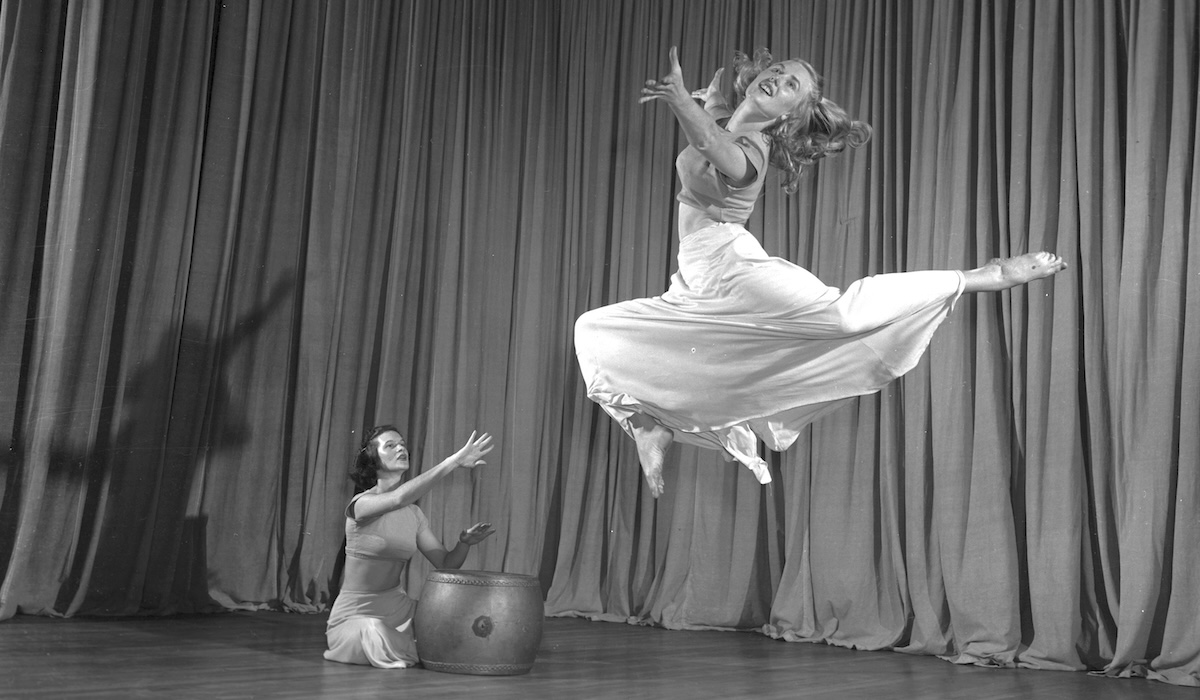
More than 100 years ago, Margaret H’Doubler taught the first dance courses on the UW–Madison campus. At the time, the idea that dance was suitable for academic study was nothing short of radical. From those first improvisational classes in 1917 grew the nation’s first dance major, formally approved on June 8, 1926. Since then, the Dance Department has continually redefined what it means to move, create, and learn.
As the Dance Department prepares to celebrate the centennial of that first dance major throughout the 2026–27 academic year, here’s a (highly subjective and by no means comprehensive) look back at some of the milestones and transformations that have shaped the program — and the generations of artists who have carried its spirit forward.
1917 — Finding dance ‘worthy’
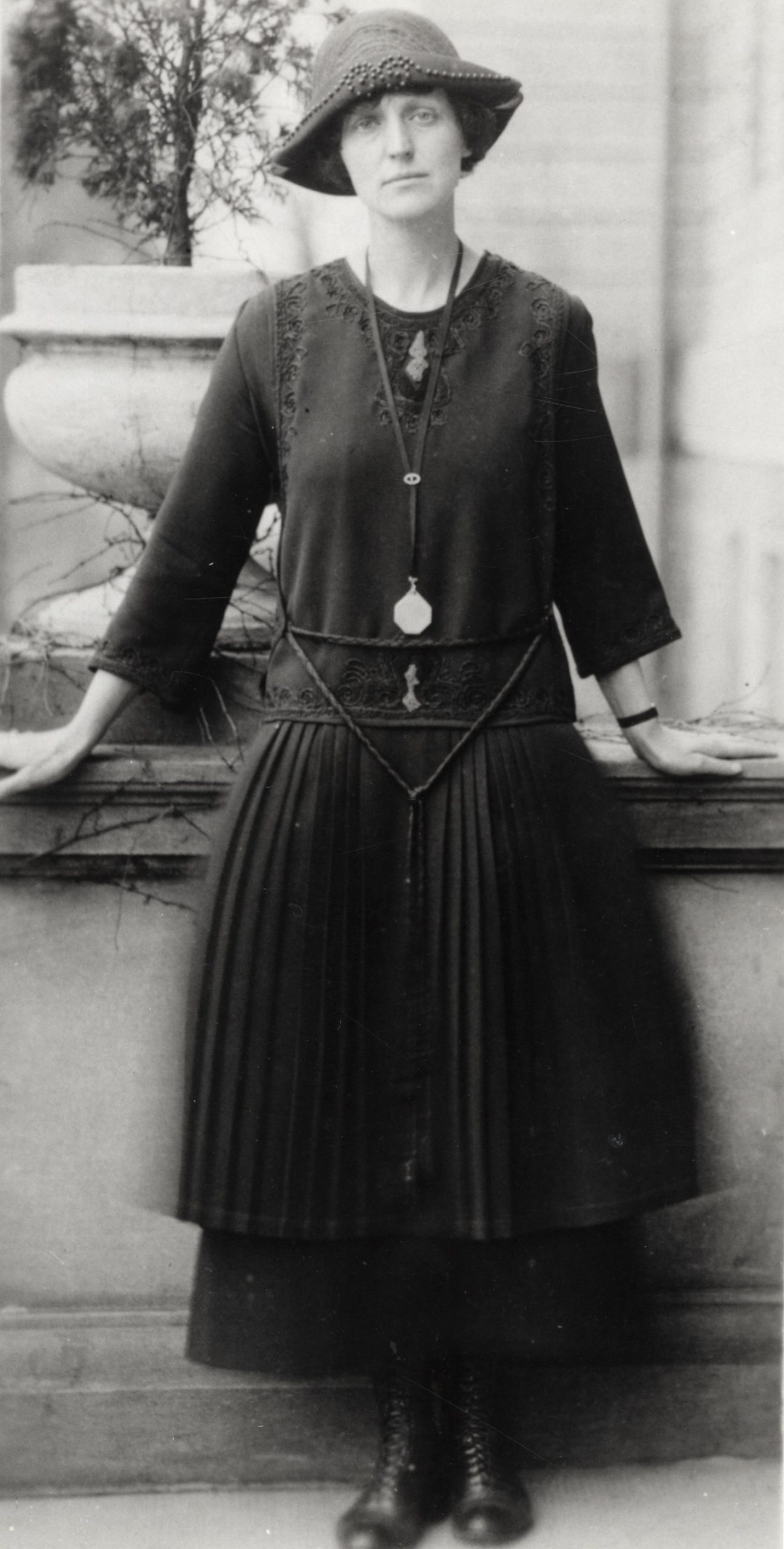
UW–Madison’s dance legacy begins with Margaret H’Doubler. As an undergraduate, she played field hockey and basketball before joining the Department of Physical Education for Women in 1910 to teach sports from basketball to swimming. Encouraged by department head Blanche Trilling, H’Doubler took a leave from UW to pursue graduate study at Columbia University — and, as Trilling advised, to “try to find some dance worthy of a college woman’s time.” Upon her return in 1917, H’Doubler introduced the university’s first dance classes.
1926 — A new discipline is born
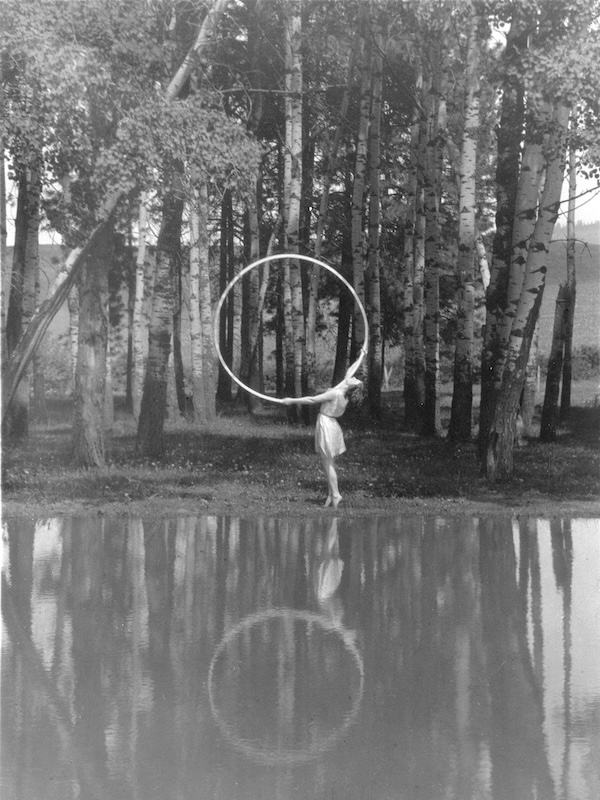
At first, even H’Doubler had doubts: “What? And give up basketball?” she famously quipped. But studying with the educational theorist John Dewey in New York had helped her see the vital role of the arts in education. As her curriculum developed, she started to envision dance as a major field of study — encouraging improvisation and play, while stressing students’ exploration of principles of science and anatomy through movement.
When H’Doubler first floated the idea to Trilling, she exclaimed, “My Lord, Marge, can you see this university granting the academic recognition (to such a) course, as a major?” H’Doubler admitted she couldn’t, but persisted nonetheless. In 1926, the university unanimously approved her proposal for the nation’s first dance major.
1918-1954 — Orchesis gives students the spotlight
The student performance group Orchesis took its name from the Greek word meaning “to dance.” What began as a weekly student club soon drew wide attention, with members traveling to perform for enthusiastic audiences — until President Birge put a stop to it, insisting, “After all, we can’t have the university known as a dancing school.” Still, the group performed on campus for over 30 years, producing innovative works that launched the careers of countless dancers and choreographers. Initially open only to women, Orchesis welcomed its first male members in 1933.
1930s-1940s — Breaking barriers
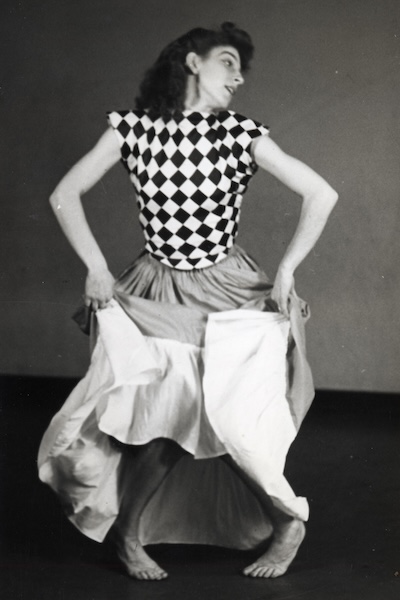
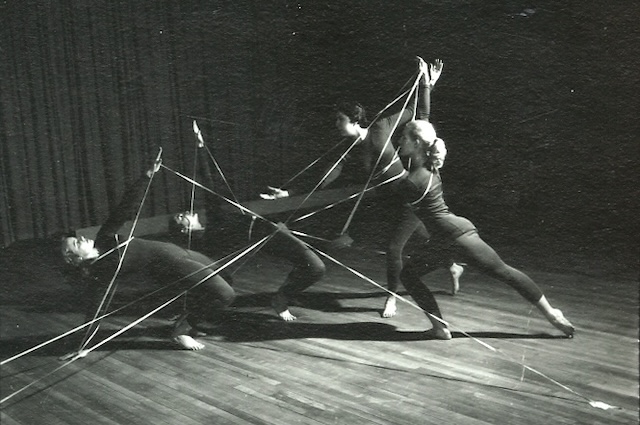
The program quickly drew visionary students. Anna Halprin arrived in 1938 and struggled to secure housing as a Jewish student. She found in H’Doubler’s classes “a space for being accepted” during a time of widespread antisemitism. After graduation, she became a pioneer of postmodern dance in San Francisco.
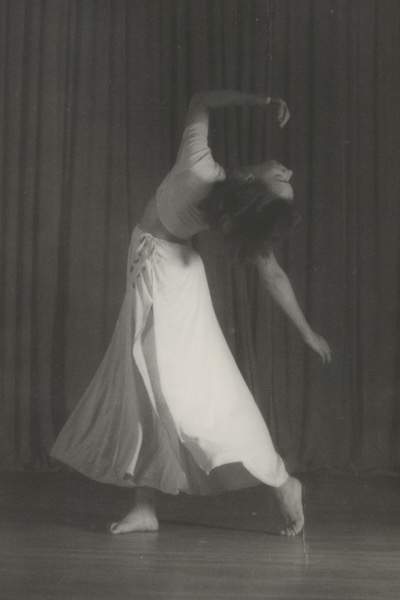
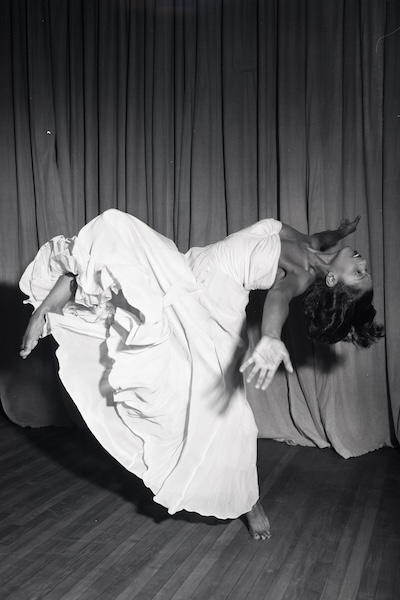
Meanwhile, Mary Hinkson and Matt Turney broke new ground as Black dancers navigating a segregated campus. They also faced housing discrimination — eventually becoming roommates at Groves Women’s Cooperative. Both performed with Orchesis and, after graduating, cofounded the Wisconsin Dance Group — the state’s first multiracial modern dance troupe — with Miriam Cole and Sage Fuller Cowles. In 1951, Hinkson and Turney moved to New York and became the first Black dancers to join the Martha Graham Dance Company.
1954 — New leadership
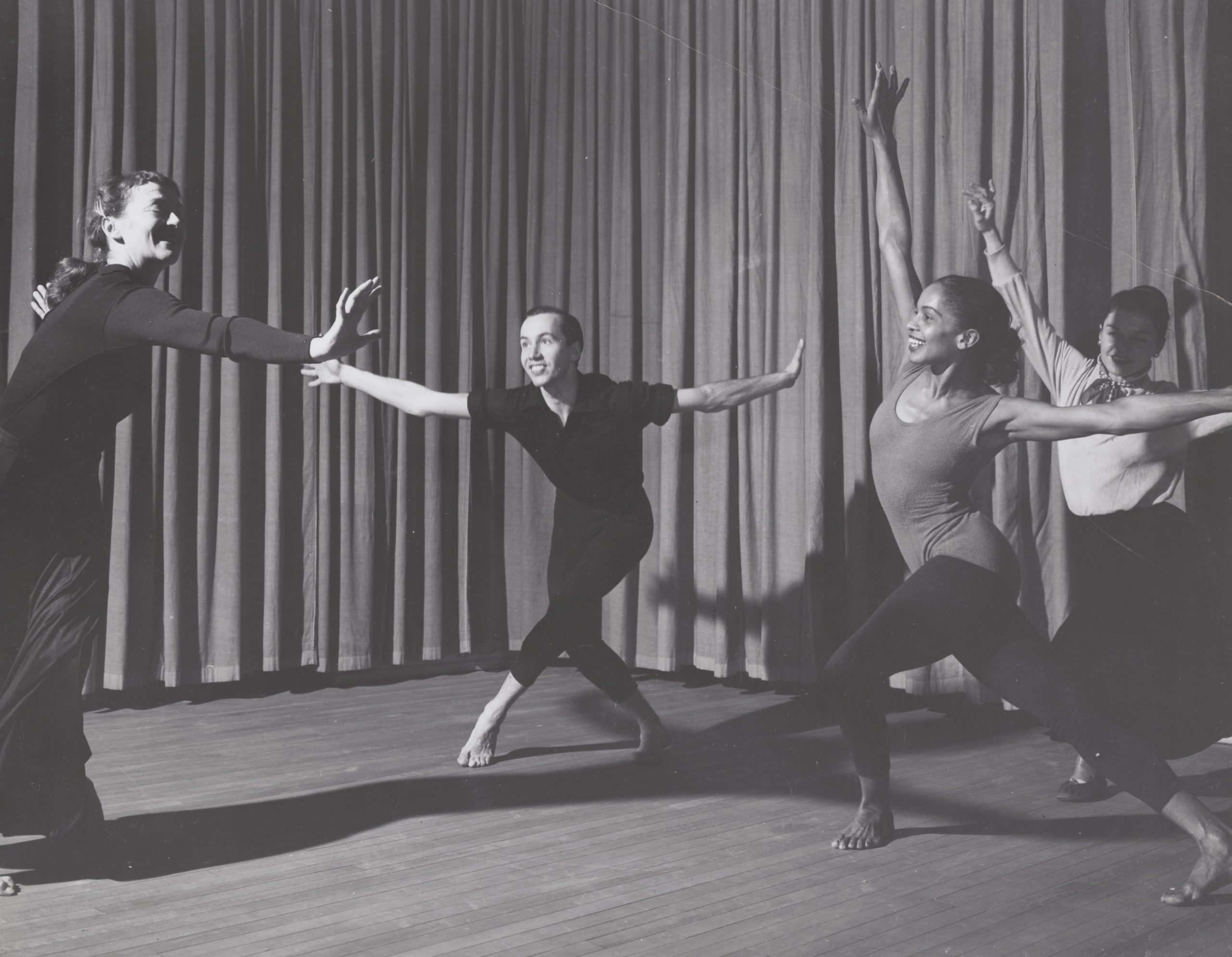
When H’Doubler retired in 1954, her protégé Louise Kloepper became co-chair of the department with Mary Keel. Before attending UW, Kloepper trained at the renowned Mary Wigman School in Germany, becoming the first American to earn a diploma there. She entered UW–Madison in 1942 already a seasoned performer and teacher — the first dance professional admitted as a student. Even then, she worked closely with H’Doubler on curriculum, taught technique and composition courses, and became the director of Orchesis. After graduating, she joined the faculty and remained a professor and department chair until 1975.
1960s — A department evolves
Up until this time, UW–Madison’s Dance program — still housed in the Department of Physical Education for Women — focused largely on training teachers. But during the 1960s, this focus gradually shifted to developing artists. To support this evolution, the program introduced an undergraduate performance and choreography track, an MFA in dance, and later a doctoral program.

1970s-1980s — Resilience and renewal

In 1976, the separate men’s and women’s physical education departments merged to become the Department of Physical Education and Dance. Lathrop Hall — built in 1908 as a women’s gym and home to the Dance program from its beginnings — was added to the National Register of Historic Places in 1985.
Facing declining enrollment in the 1980s, the department entered a challenging period, culminating in a moratorium on dance admissions in 1988. Mary Alice “Buff” Brennan, a UW–Madison alumna and faculty member from 1967 to 2002, helped guide the department with steady vision, serving three terms as department chair.
Brennan later provided support for scholarships, professorships, and fellowships benefiting students and faculty, as well as key funding for the department’s MFA program launching this fall.

1990s — New energy, new voices
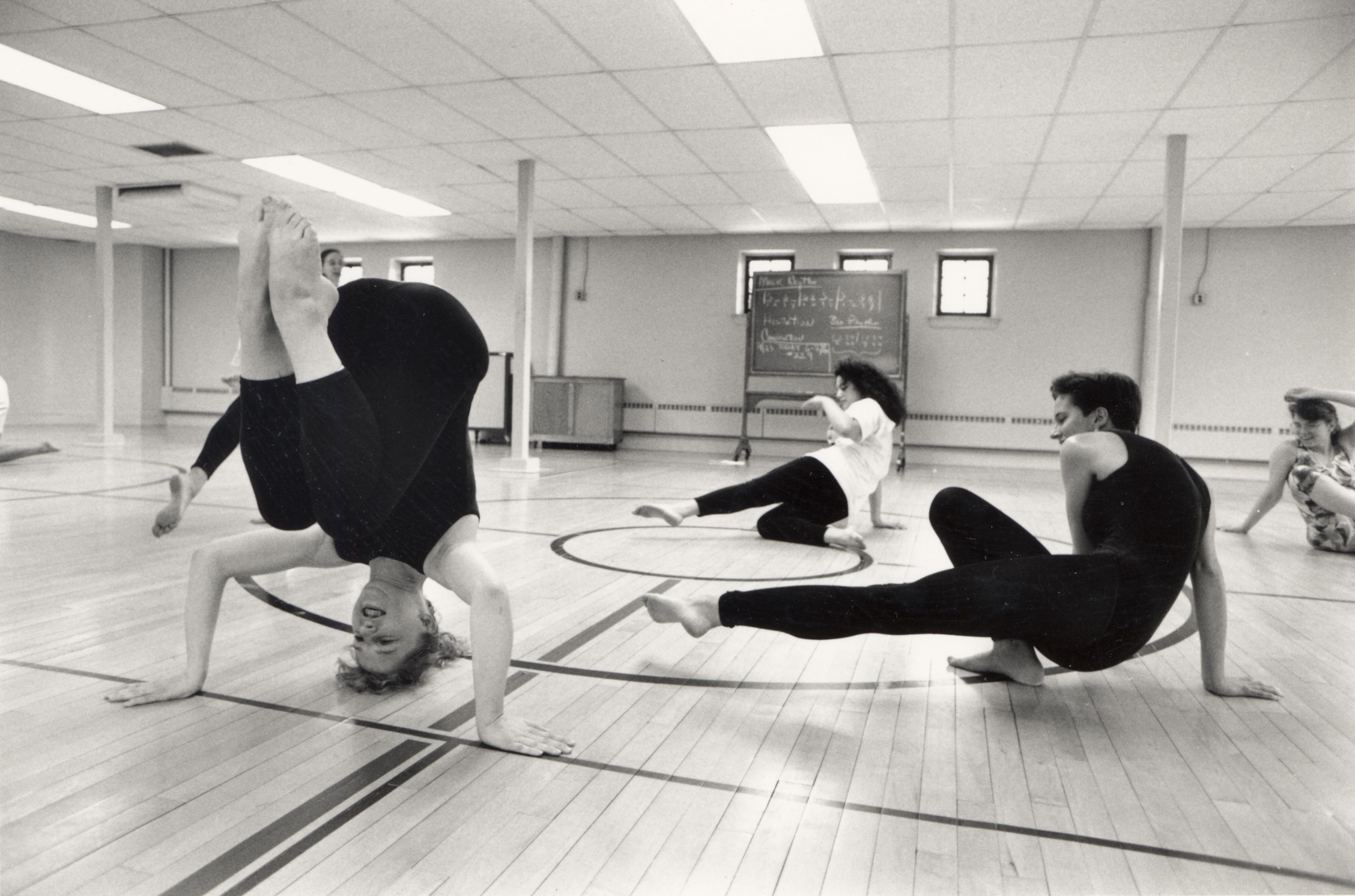
In 1992, dance became part of the newly formed Department of Kinesiology and the undergraduate Dance program was reinstated — including a new InterArts and Technology option.
That same year, renowned scholar and critic Sally Banes — celebrated for her research on postmodern dance and early documentation of breakdancing — became department chair. Banes helped elevate UW’s national profile and recruit a new generation of faculty talent. In 1995, the department launched a BFA in dance, designed for students seeking intensive performance and choreography training.
2000-10s — Expanding horizons
UW–Madison hosted the world’s first International Dance for the Camera Symposium in 2000, helping define the emerging field of screendance. In 2010, dance officially separated from Kinesiology to become an independent department within the School of Education, achieving national accreditation from the National Association of Schools of Dance in 2013.
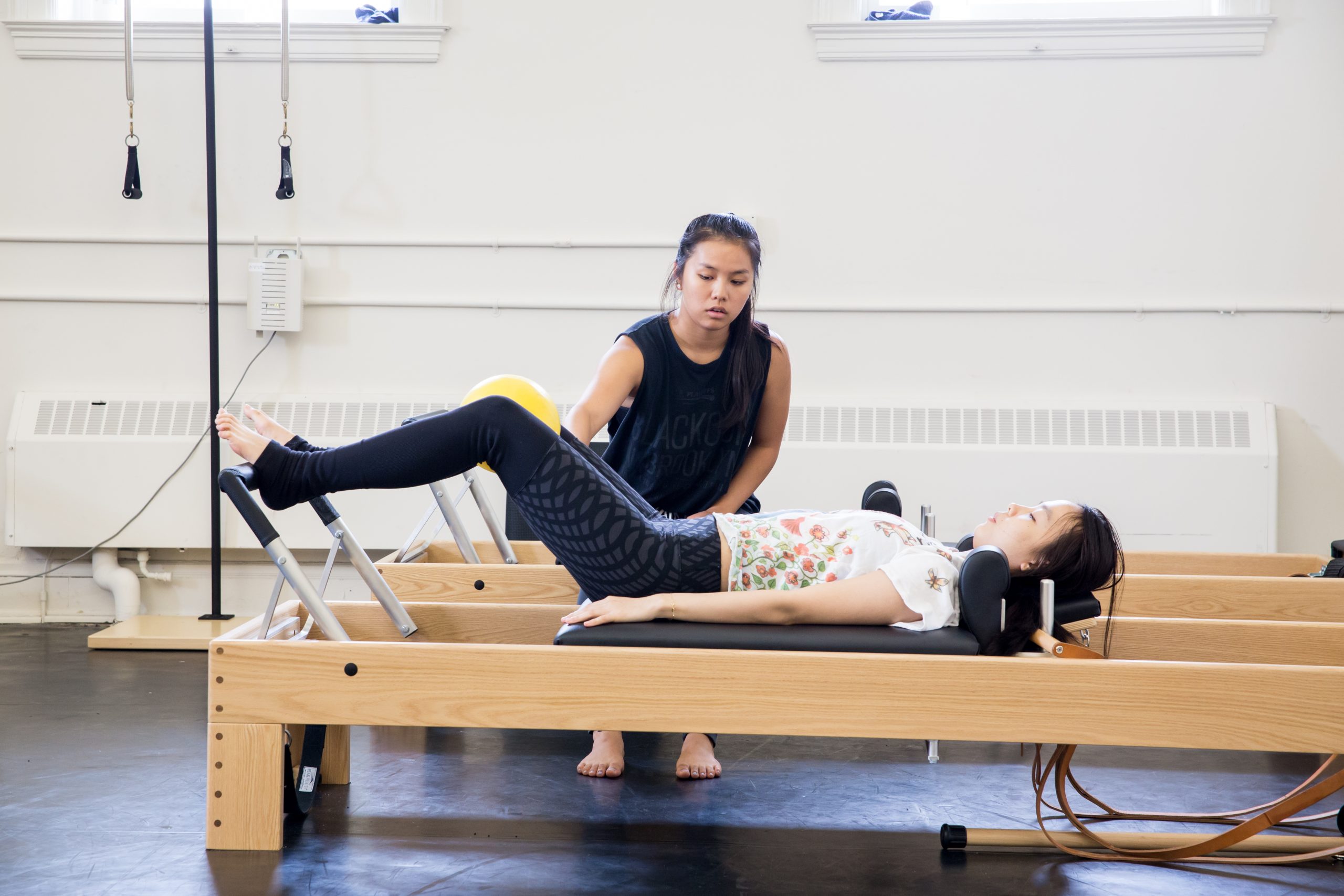
On the curricular front, the department broadened its offerings to embrace a wider range of movement practices — introducing a Dance Movement Therapy certificate (2008) and Pilates certificate (2014), and establishing a tenure-track faculty position in hip-hop (2019).
2020s — Leaping into the future
As the department enters its second century, its pioneering spirit endures. In 2022, a gift from alumna Jody Gottfried Arnhold established the Arnhold Director of Dance Education, now held by Chell Parkins. And this fall the department will welcome its first cohort pursuing a new MFA in Dance — the first in the nation to offer a terminal degree in screendance.
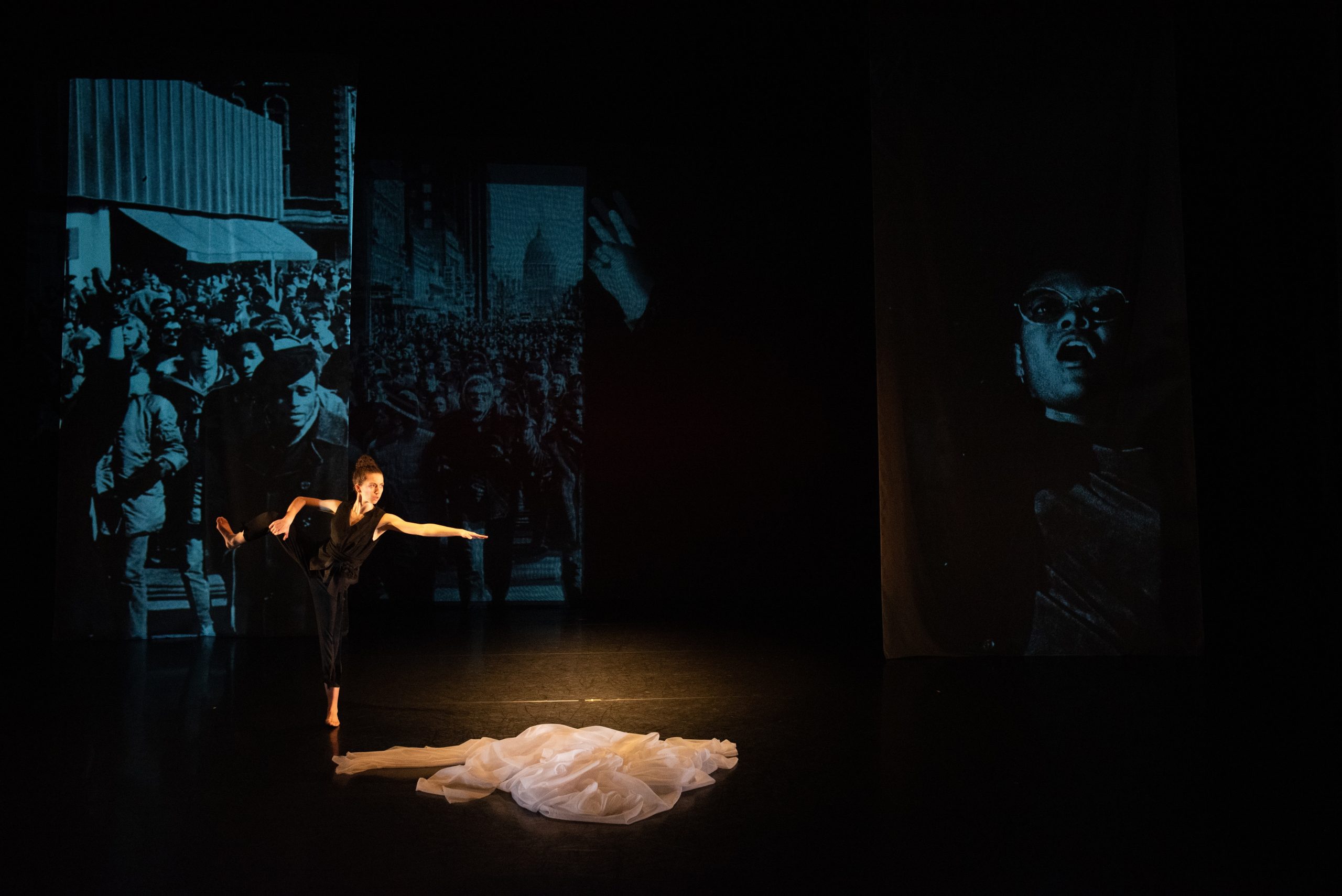
Meanwhile, undergraduate enrollment has surged, with the number of dance majors increasing over 50% to nearly 100 in recent years. The department’s diverse faculty are recognized for both their artistic work and scholarly contributions. And alumni are spreading their influence far and wide — in professional dance companies, arts organizations, schools, colleges and universities, and beyond — ensuring H’Doubler’s legacy continues for generations to come.