By Hannah Haynes, WIDA Communications
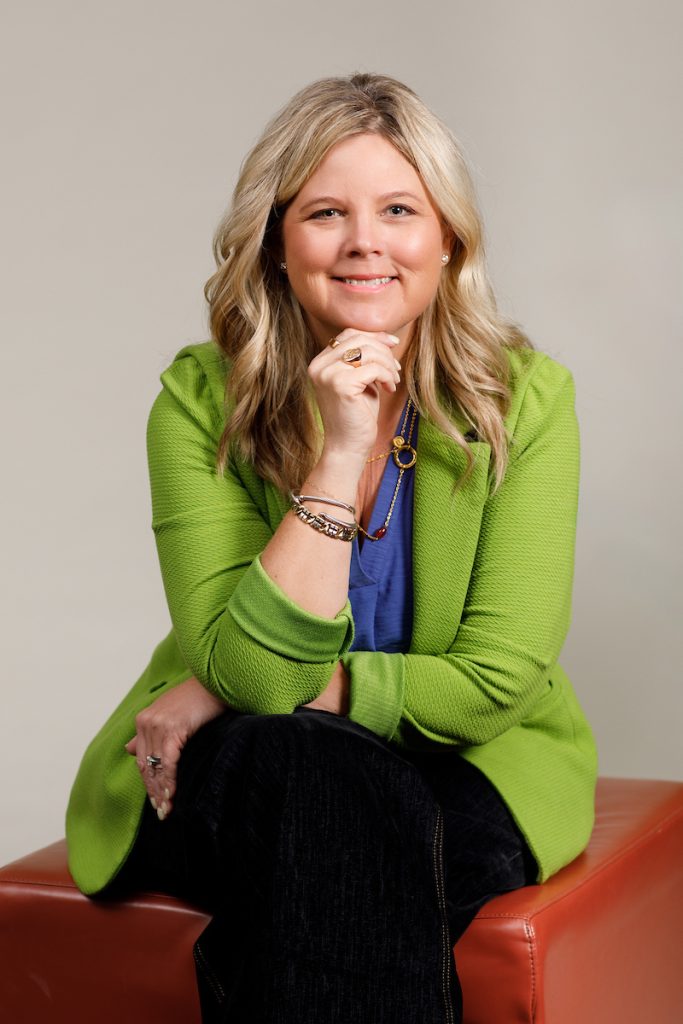
Jenni Torres has built her life on a simple but powerful belief: Language is a bridge. As the new executive director of WIDA, she brings that conviction to the forefront of a national and global effort to engage, equip, and inspire the educators who impact the lives of multilingual learners. With deep roots in language education and a personal story that mirrors WIDA’s mission, Torres is stepping into leadership at a pivotal moment. WIDA recently became a unit within the School of Education at the University of Wisconsin–Madison. This transition comes as multilingual learners represent one of the fastest-growing student populations in the United States.
What is WIDA and who does it serve?
WIDA is an educational services organization focused on advancing the academic success of multilingual learners. Originally founded in 2003, we now serve a consortium of 42 states, territories, and federal agencies.
We provide research-based tools and resources, like our English and Spanish language development standards, assessments including WIDA ACCESS, and professional learning opportunities to support educators, administrators, and multilingual learners and their families. Our vision is a future where every classroom is designed for multilingual learners to thrive.
Multilingual learners are a vibrant and dynamic part of our education system. As of May 2024, the National Center for Education Statistics reported 10.6% of U.S. public school students are multilingual learners.
These learners are incredibly diverse — culturally, linguistically, and academically. They bring with them a wealth of background knowledge, experiences, and perspectives that enrich every classroom. That’s why WIDA promotes an asset-based approach — what we call the “Can Do Philosophy” — that honors what students can do, rather than focusing on what they can’t (yet) do.
What drives your passion for this work?
This role is a great honor and a deeply personal journey. I grew up the daughter of a Spanish teacher and, alongside my Colombian husband, went on to cultivate a bilingual, bicultural household raising three bilingual children. I’ve seen firsthand the power of language. My lived experiences shape the lens through which I see the world, and they fuel my passion for supporting multilingual learners and their educators.
What does it mean for WIDA to become a unit within the School of Education?
This is an exciting milestone for WIDA. We’re incredibly grateful for the support and growth we experienced while under the Wisconsin Center for Education Research. Under the direction of founder Tim Boals, WIDA grew from supporting three states to the large consortium it supports today with more than 150 people on staff.
Staying true to WIDA’s mission is crucial to the organization’s success, and there are many areas of overlap between WIDA’s work and the mission of the School of Education. WIDA has always been a shining example of the Wisconsin Idea. This integration allows us to dive even deeper into our work. We are excited to explore how to provide pre-service teachers access to our resources and training for supporting multilingual learners across all content areas. We’re already imagining joint projects, partnerships, and innovative approaches to widen our reach and impact.
What’s next for WIDA under your leadership?
This year, we’re in a bridge phase where we’re delivering updated assessments aligned with our latest standards while also refining our strategic priorities. Key areas of investment include interim assessments, accessibility improvements, enhanced professional learning, and state engagement.
WIDA is dedicated to continuing to be a trusted partner for educators — one that centers multilingual learners as essential contributors to our communities and future.
My leadership is grounded in collaboration, authenticity, and a firm belief that multilingualism is a strength, not a barrier. Together, we can change the narrative: Multilingualism is not a challenge to overcome but a tremendous strength to embrace. Language is a powerful tool for learning, and multilingual learners bring essential gifts to our schools, our communities, and our country.
 Around the World with Jenni Torres
Places Torres Has Lived and Worked in Education
New Orleans, Louisiana
What I did: Led the Spanish department at Belle Chasse Academy, a K-8 charter school on a military base, and helped shape the school’s Spanish curriculum from the ground up.
What I learned: Teaching before and after Hurricane Katrina taught me about the deep impacts of trauma on learning and the incredible resilience of students and families.
Mobile, Alabama
What I did: Taught Spanish at a magnet middle school and was honored as Teacher of the Year for the school, county, and district. I also participated in the Fulbright Program in Uruguay.
What I learned: The power of interdisciplinary teamwork and how collaboration can make learning more meaningful, especially when language is seen as an integral part of education.
Aguadilla, Puerto Rico
What I did: Lived in Puerto Rico twice for a total of six years, creating Spanish programs on a military base for all ages, and later implemented the Waterford Early Learning curriculum in 20 schools across the island.
What I learned: I saw how language, culture, and power intersect and how assumptions based on appearance can shape perception. I also learned to embrace every moment, even during challenges.
Bogotá, Colombia
What I did: Worked at Colegio Nueva Granada and Waterford, teaching high school Spanish and supporting curriculum development.
What I learned: The richness of classrooms where students speak two or more languages and the power of translanguaging and student-centered learning.